Food is Medicine: Funding and Reimbursement Strategies
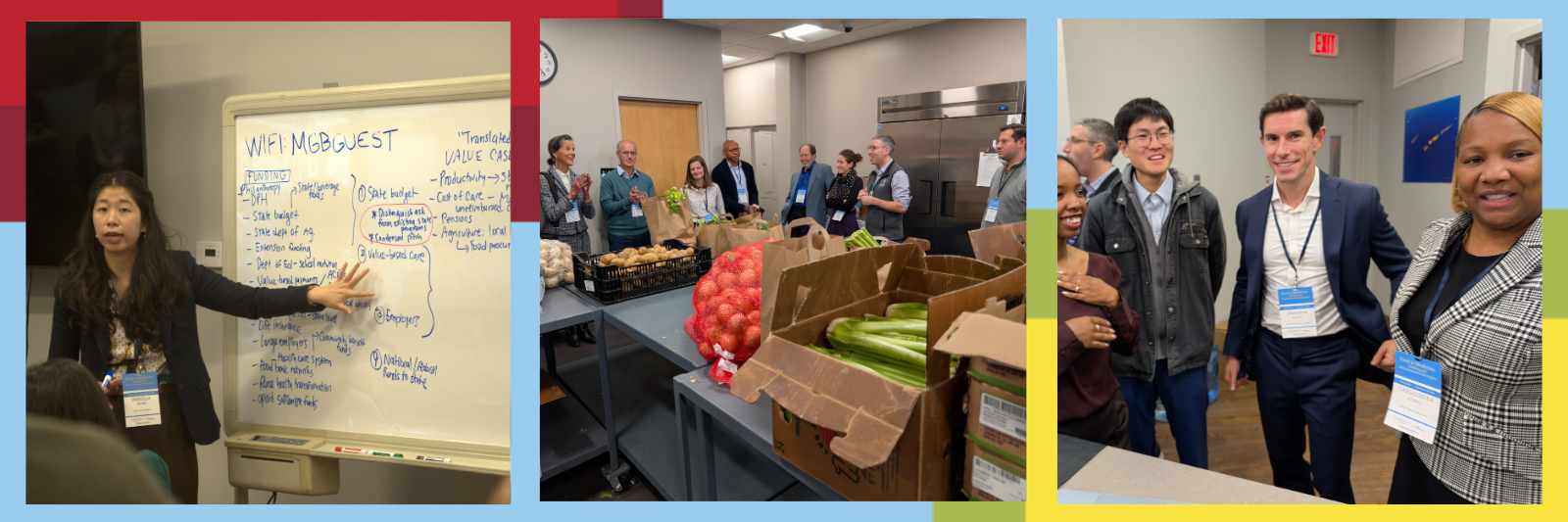
On November 13, 2025, Food & Society at the Aspen Institute hosted, Food is Medicine: Funding and Reimbursement Strategies at the MGH Revere Teaching Kitchen. In partnership with the Ardmore Institute of Health, the event convened physicians, CBO leaders, funders, and food system partners for a full day of focused discussion on how to strengthen and sustain Food is Medicine funding. The sessions covered federal levers, state level funding models, and the growing mix of public and private resources that can support this work. Participants shared examples of current opportunities, from Medicaid 1115 waivers to state agriculture and public health funding, while CBOs spoke candidly about the operational realities of navigating shifting eligibility rules and blending diverse revenue streams.
The conversations held in session, moderated by extraordinary leaders, and at dinner tables made clear that Food is Medicine is no longer a collection of pilots. Food is Medicine is a cross-sector strategy that strengthens health, reduces costs, supports local agriculture, and builds community resilience. As public, private, and philanthropic leaders increasingly pull in the same direction, the path ahead is clear: with coordinated investment and continued partnership, states can turn Food is Medicine from a promising idea into a durable and scalable pillar of population health and economic stability.
Convening Takeaways
Sustaining Food is Medicine: Five Themes from a Field in Transition
Food & Society at the Aspen Institute convened an intimate gathering of community-based organizations, researchers, practitioners, and policymakers at the MGH Revere’s Teaching Kitchen in Boston, MA. The workshop focused on how Food is Medicine programs finance their operations today and what funding strategies can sustain them over the long term.
Food is Medicine programs have expanded rapidly over the past decade, moving from small pilots to widespread implementation across healthcare systems, community organizations, and state Medicaid programs. The growing field also brings more uncertainty about how people will sustain it.
Several urgent questions now shape conversations among practitioners, policymakers, and funders: How sustainable is it to rely on Medicaid 1115 waivers? Where is Food is Medicine funding coming from today, and where will it come from tomorrow? What strategies offer the greatest promise in an increasingly constrained fiscal environment?
The five themes below reflect the key insights that emerged from this convening.
